Reconstruction & Build-Back

Serving all of Salisbury · Open 24/7 · (704) 440-5400

Salisbury · Open 24/7

Call (704) 440-5400Request Service

In Salisbury, North Carolina, homeowners in neighborhoods like Spencer often deal with the intricacies of older homes, some dating back to the mid-20th century, featuring original wood floors and plaster. These historic homes, while charming, may face unique challenges, particularly when it comes to reconstruction needs after unexpected damage. When you contact United Water Restoration Group of Salisbury at (704) 440-5400, you are tapping into our deep understanding of these local conditions. Our team is ready to assess and address your structural needs quickly and efficiently, ensuring that your home is restored to its former glory while complying with modern building codes.

  • Licensed and experienced professionals
  • Compliant with all local building codes
  • Custom material selections for seamless integration
  • Timely communication throughout the project
  • Single point of contact for project management
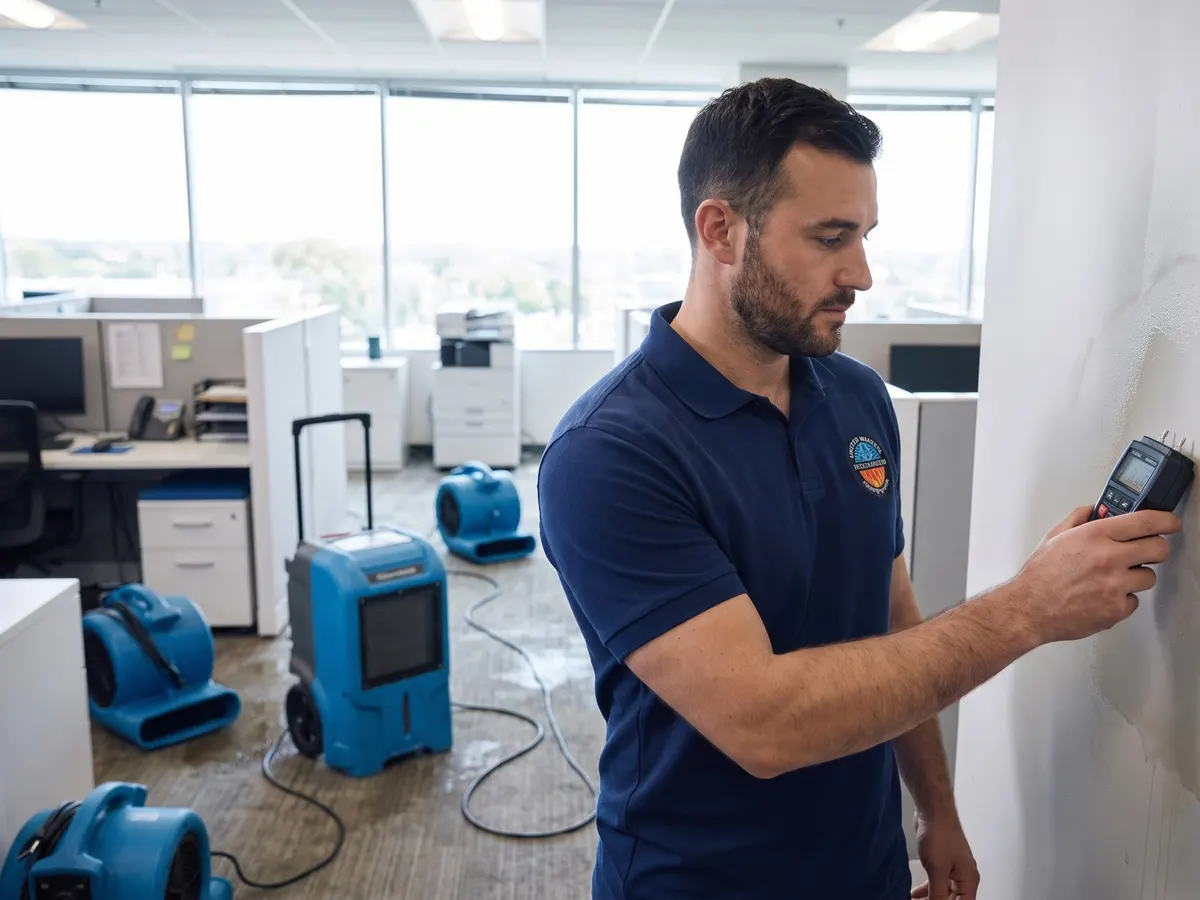
A technician checking a wall with a moisture meter, drying equipment behind him

Understanding the Reconstruction Process

Reconstruction in homes, especially those with historic significance like many in Salisbury, involves more than just repairing what's broken. The process starts with a thorough inspection to assess the extent of structural damage. Once we determine the scope, we move forward by securing the necessary building permits and aligning with local building codes to ensure compliance. Our team at United Water Restoration Group of Salisbury works closely with you to cover every detail, from structural framing repair to the eventual finishing touches.

Our approach is rooted in restoring your home to its pre-damaged state, incorporating modern safety standards without compromising aesthetic integrity. This often involves matching existing finishes, whether for drywall, paint, or flooring, ensuring a seamless transition. Additionally, for residences built in the last few decades with vented crawl spaces or specific foundational challenges, our reconstruction process is attentive to these local nuances, guaranteeing effective and lasting repairs.

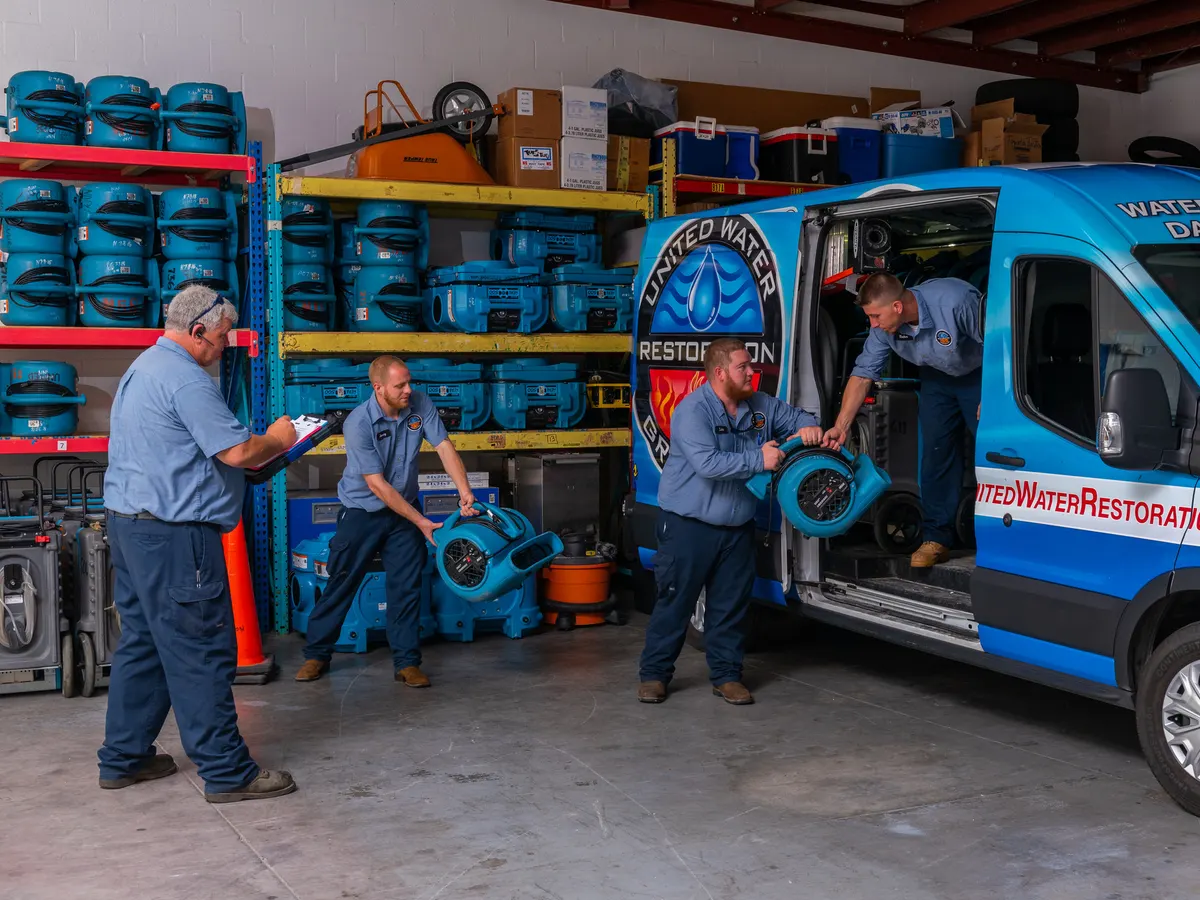
A UWRG crew loading drying equipment into a service van at the warehouse

Common Challenges in Salisbury Homes

Homes across the Salisbury area, with a significant number dating back to before 1986, present unique challenges. Properties in Cooleemee, for example, often have original materials that require careful handling during reconstruction. Common issues include rotted joists or subfloor due to the vented crawl spaces prevalent in these structures. These crawl spaces, notorious for trapping humidity, often necessitate subfloor replacement, making professional intervention crucial.

Our team understands the intricacies of these local construction styles, which often means dealing with dense red clay soils that can drive water into foundations during summer downpours. We ensure that all repairs are structurally sound and visually aligned with the existing architecture. By focusing on thorough assessments and strategic repairs, we effectively manage these common challenges, whether they entail insulation replacement or addressing more overt flooring transitions.

A UWRG technician shaking hands with homeowners beside the service van

Navigating Insurance and Permits

Navigating the complexities of insurance claims and construction permits can be daunting. At United Water Restoration Group of Salisbury, we're committed to making this process as straightforward as possible. Our experts assist you with filing insurance claims, helping you secure an insurance supplement when the scope of work exceeds initial estimates. We aim to make sure that your insurance adequately covers the necessary reconstruction.

Additionally, we handle all aspects of obtaining and complying with building permits. This includes aligning the rebuild project with the latest local building codes and ensuring every step of the process meets required standards. Offering single point of contact project management, we streamline communication between you, the insurance company, and our team, reducing stress and expediting the restoration process.

Common Causes We See in Salisbury

  • Vented crawl spaces increasing humidity levels
  • Summer storms pushing water into foundations
  • Aging plumbing leading to leaks
  • Winter freeze-thaw causing burst pipes
  • Ductwork condensation contributing to mold
  • Roof leaks from ice-weight damage
  • Original wood floors affected by moisture
  • Insufficient insulation reducing energy efficiency

While You Wait for the Crew

A few minutes of the right first moves can save thousands in damage. Here is what to do — and what not to do — before we arrive.

Do

  • Document visible damage with photos
  • Contact your insurance company if applicable
  • Shut off water if a leak is present
  • Ventilate the area to slow mold growth

Don’t

  • Do not attempt electrical repairs
  • Avoid disturbing mold to prevent spread
  • Do not delay in seeking professional help

Crews are standing by in Salisbury right now.

Call (704) 440-5400

How It Works

Here Is What Happens When You Call

The hardest part of property damage is facing it on your own. You do not have to — from the first phone call, it is our job, not yours.

  1. A UWRG dispatcher answering an emergency call at her desk

    Step 01

    You call, a real person here answers

    Any hour, any day, your call is picked up by a real person on our Salisbury team — not a machine and not a national call center. We are locally owned and operated, so the people you talk to are the same people who show up at your door. From that moment, it stops being your problem to solve on your own.

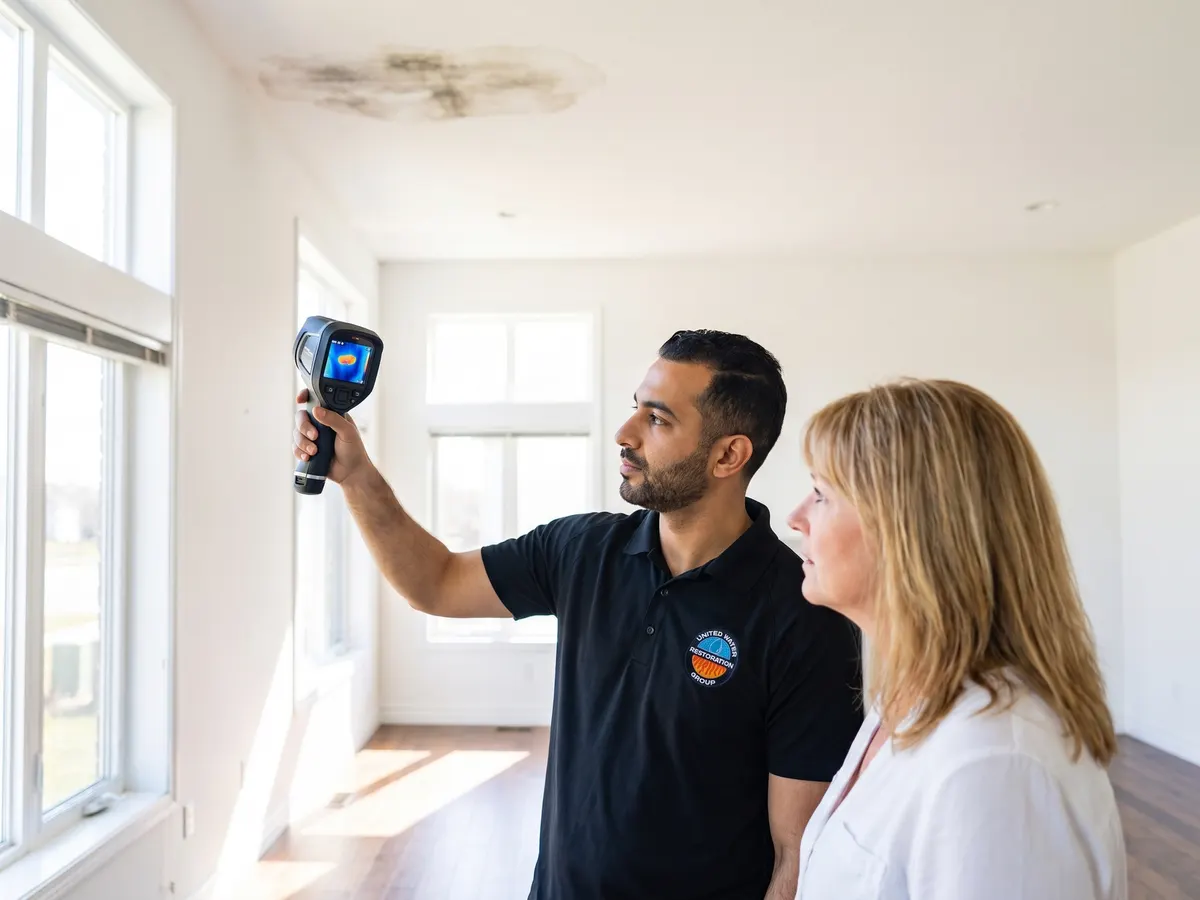
  2. A technician scanning a ceiling with a thermal camera while the homeowner watches

    Step 02

    Initial Inspection and Assessment

    Our team begins with a comprehensive inspection to assess the damage extent. We check for structural issues, focusing on joists, roofing, and subfloors, to develop a tailored reconstruction plan.

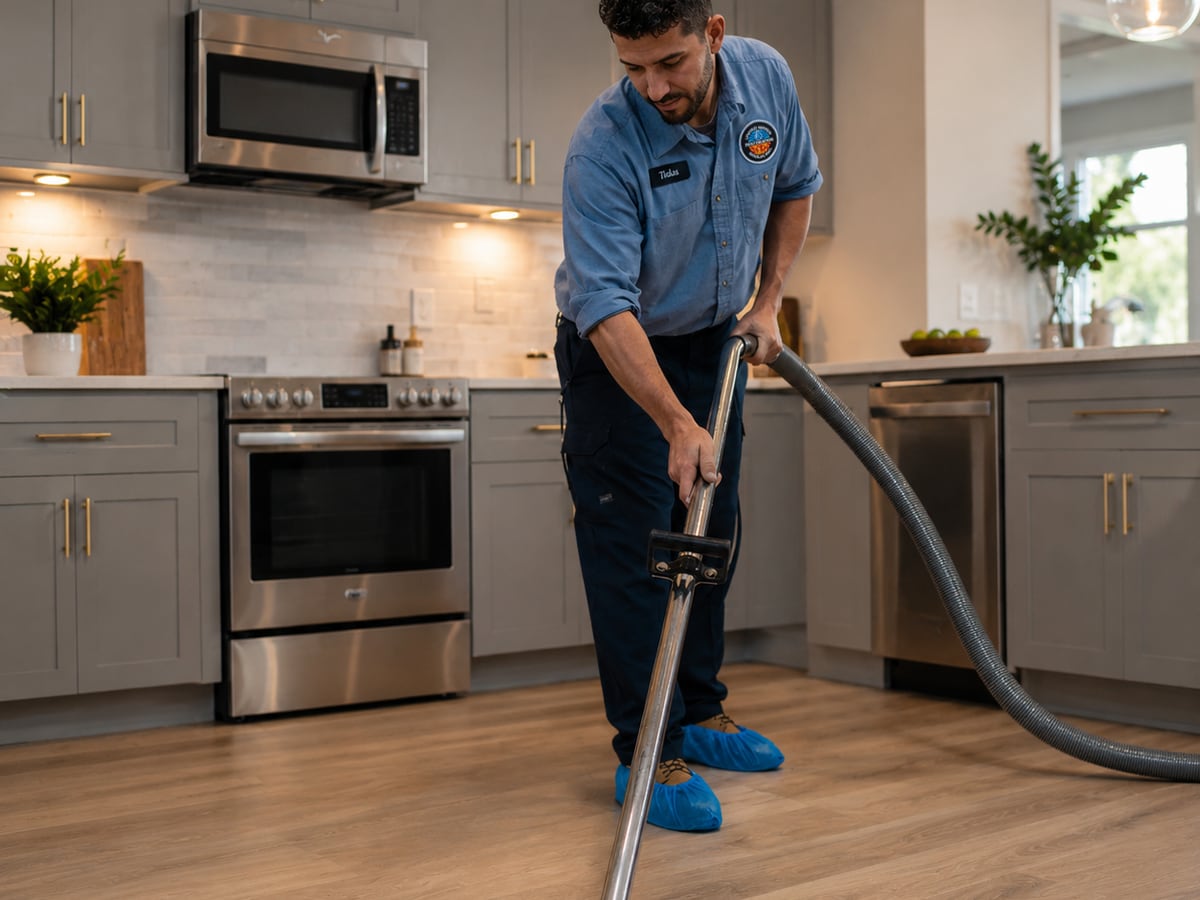
  3. A technician drawing water out of a kitchen floor with an extraction wand

    Step 03

    Developing the Reconstruction Plan

    After the assessment, we design a plan that fits your home's layout and condition, including all structural repairs, material selections, and finishes needed to restore your property effectively.

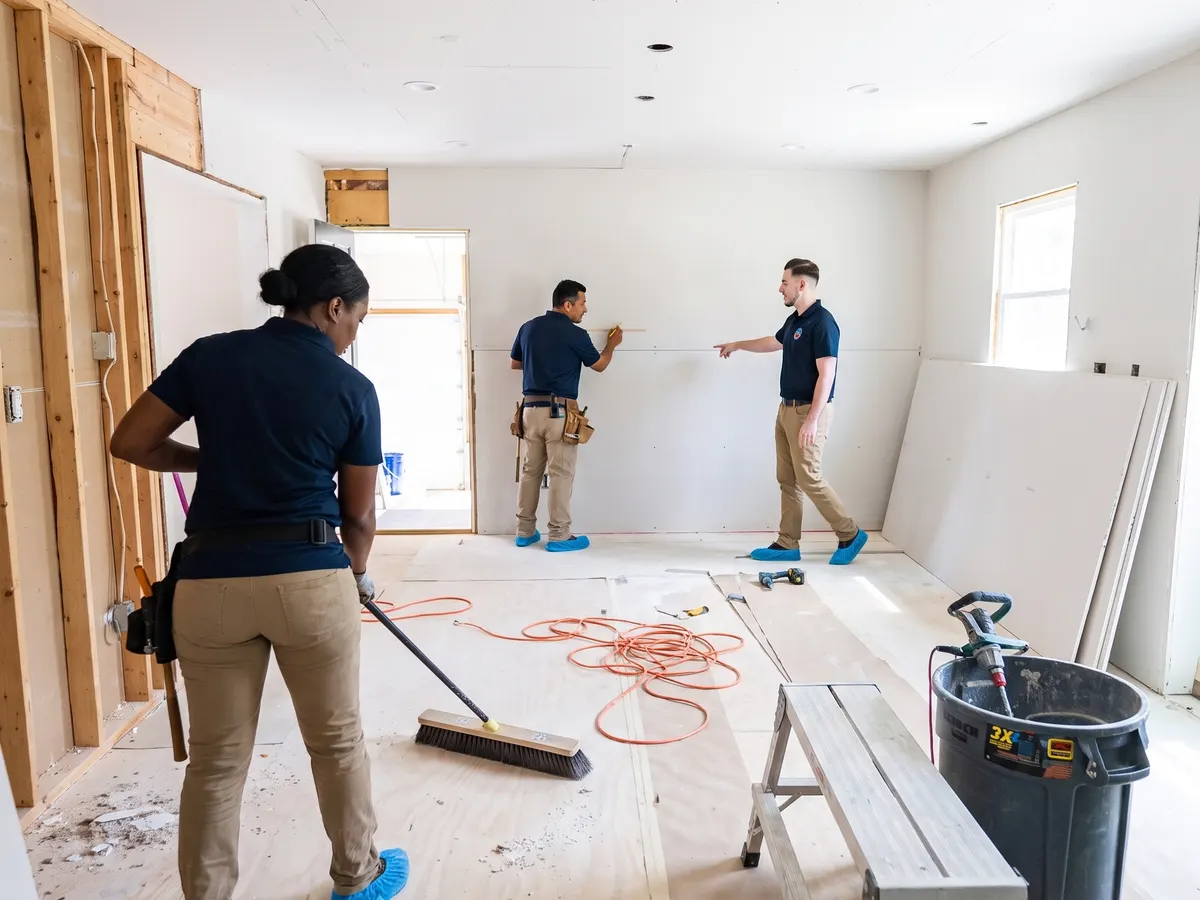
  4. A crew rebuilding and cleaning up a restored room

    Step 04

    Executing Structural Repairs

    Once all permits are secured, our team undertakes structural repairs, focusing on areas like subfloor and joist repair, drywall hanging, and matching existing finishes for a cohesive look.

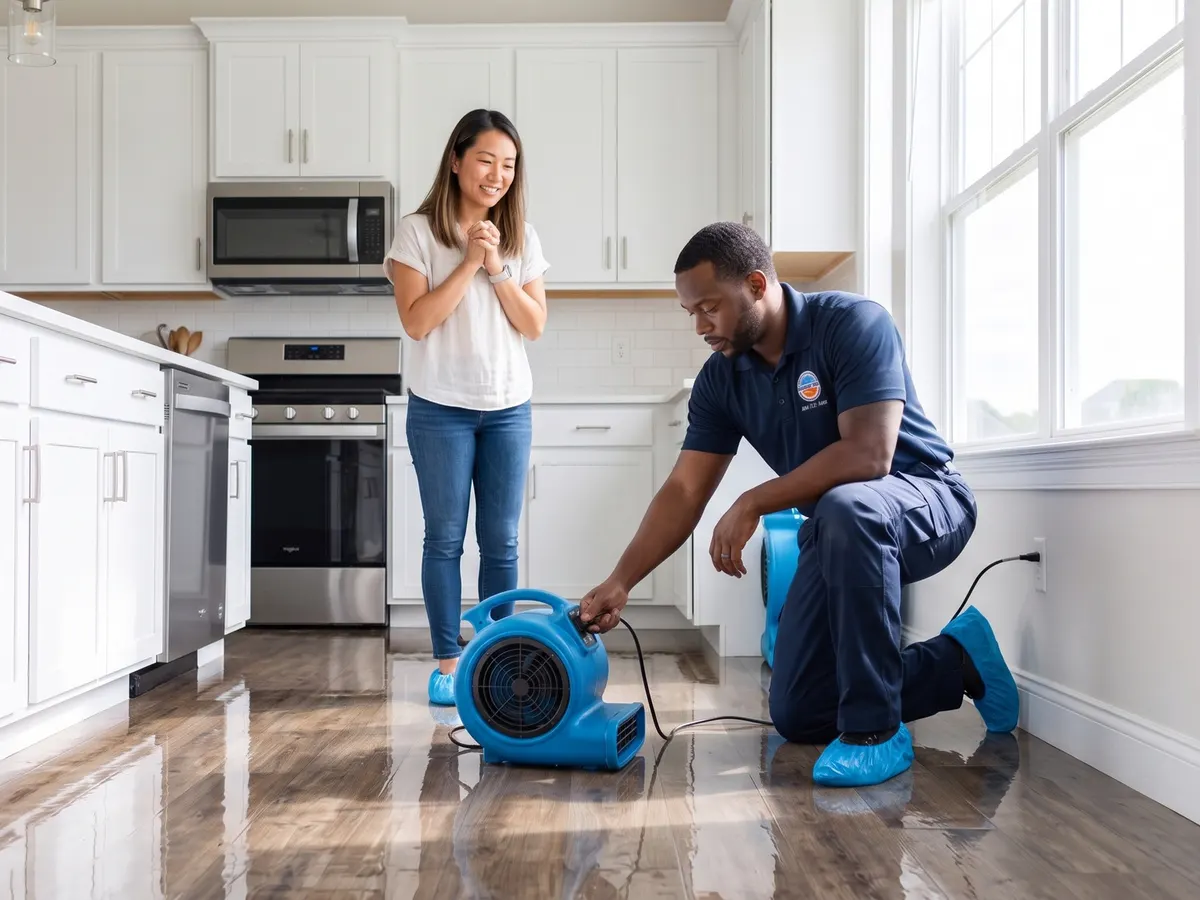
  5. A homeowner smiling in her dry, finished kitchen as the technician packs up the last air mover

    Step 05

    Final Walkthrough and Customer Approval

    Upon completing the rebuild, we conduct a thorough walkthrough with you to ensure all aspects meet expectations and any final adjustments are made before closing the project.

We Work With Your Insurance

Restoration is stressful enough without fighting through a claim alone. Our crews document everything — photos, moisture readings, and a clear scope of work — in the format adjusters expect, and we communicate with your insurance company throughout the job. You always know what is happening and what your policy covers before work begins.

AllstateState FarmLiberty MutualProgressiveNationwideFarmers InsuranceAmerican Family InsuranceChubbUniversal Property & CasualtyHeritage Insurance
Technician walking a homeowner through the insurance scope on a tablet

What This Service Covers

Roof repairCabinet replacementTrim and paintSubfloor replacementStructural repairsMatching existing finishesInsulation replacementFraming repairFlooring installationDrywall finishing

Reconstructing your home requires precision, expertise, and an understanding of local characteristics — all of which United Water Restoration Group of Salisbury offers. Whether it’s roof repair, subfloor replacement, or matching existing finishes, our dedicated team provides comprehensive solutions tailored to Salisbury's unique needs. Navigate the reconstruction process with ease and peace of mind. Contact us today at (704) 440-5400 to restore your property's integrity and comfort.

Frequently Asked Questions

Do you rebuild and repair afterward, or only dry it out?

Both halves are one job. The first is mitigation — extraction, removing material that cannot be dried, and documented drying against a dry standard — and ANSI/IICRC S500 ties what has to come out to the water category, one through three. The second is reconstruction: framing repair, insulation, drywall, trim, paint and flooring put back. How much of each your loss needs depends on what the water reached, so that scope is written after the inspection.

Do you repair and repaint water-damaged drywall and ceilings?

Wet gypsum board and the insulation behind it usually come out rather than dry in place, and the cut is typically carried 12 to 24 inches above the visible water line because the material wicks upward past the stain. That put-back is part of the job: hanging, taping, three coats of compound with drying time between them, texture and paint. On homes built before 1978, the EPA's Renovation, Repair and Painting Rule governs how painted surfaces are disturbed.

Can one estimate cover both the cleanup and the rebuild, and what does the repair cost?

One inspection can produce both scopes, and carriers generally prefer it that way — mitigation and repair as line items in one claim file, priced from the Xactimate database the adjuster uses. No one should quote the repair figure sight unseen. It firms up when materials reach the dry standard ANSI/IICRC S500 requires and hidden damage is open to view, commonly three to five days of drying, though yours may need more or less. Any charge for the inspection is stated on the call.

Do you replace the flooring and subfloor, or do I hire a flooring contractor?

Subfloor, underlayment and finished flooring are all part of the repair scope, and so is the framing underneath when a joist is wet. Replacement goes back under the National Wood Flooring Association's installation guidance, which is why new wood cannot go down until the subfloor and the flooring are no more than two to four percentage points apart in moisture content. Whether a floor is dried in place or replaced depends on the material and the water category.

Does your own crew do the rebuild, or is the reconstruction subcontracted?

The rebuild usually stays on one contract, with the same project manager who ran the drying and a single claim file, though that varies by market. Which trades are in-house and which are outside trade partners varies too — drywall, paint, tile, cabinetry and flooring are not always the same crew, so ask on the call who will be in your home. Structural and electrical put-back is pulled under permit and inspected by the local building department, usually under the International Residential Code.

Will insurance pay for the rebuild, and how do repairs get approved?

Coverage for the repair usually rides on the same claim as the mitigation, and approval runs off the written scope rather than a lump sum: the adjuster reviews line items and the moisture logs ANSI/IICRC S500 calls for, then approves or asks for a supplement when something hidden turns up. Replacement-cost policies typically pay in two steps, actual cash value first and the held-back depreciation after the work is finished and invoiced. Like-kind-and-quality wording varies by policy, so read yours.

Can you repair just the damaged section, or does the whole floor or ceiling have to be replaced?

Patch repairs are common and often the right call. What forces a bigger replacement is the water itself: ANSI/IICRC S500 sorts water into Categories 1 through 3, and Category 3 means porous material in the wet zone comes out, however small that zone is. Assembly matters too — a single ceiling panel in a grid swaps out, while taped drywall and sheet goods have no seam to stop at. Matching is the other limit, since tile and flooring run in dye lots.

How long does the rebuild take once the drying is finished?

The rebuild cannot start until the structure meets the dry standard ANSI/IICRC S500 requires, because closing a wall over wet framing traps the moisture. After that, a single wet room — drywall hung, taped, three coats of compound with drying time between each, then paint and flooring — commonly runs a couple of weeks, while a loss across several rooms, cabinetry on order or a permit inspection runs longer. Your schedule depends on what the scope turns out to be.

Do you handle the finish work too — cabinets, vanities, baseboards, tile and grout?

Cabinets, vanities, countertops, baseboards, tile and grout are part of the put-back, and they are usually the last trades in because they go over finished surfaces. Substrate condition governs the tile: ANSI A108 allows no more than 1/8 inch of variation in 10 feet for tile with an edge 15 inches or longer, so a repaired floor gets flattened before setting. Which items are replaced and which are refinished depends on the material and how wet it got.

If only part of the floor got wet, is the rest of the continuous floor replaced so it matches?

Carriers generally pay to replace what the moisture readings document as wet, and whether the rest of an undamaged run comes with it turns on the policy's like-kind-and-quality wording and on whether the flooring continues through a doorway without a transition. Put that question to the adjuster in writing, with photographs, before the repair is approved. Most policies also include an appraisal provision — two appraisers and an umpire — for disputes over the amount of loss, and your state insurance department takes complaints.

Request Service Online

Tell us what happened and we will call you right back. For emergencies, calling (704) 440-5400 is always fastest — we answer 24/7.

A United Water Restoration Group of Salisbury van heading out on an emergency call at sunset

In Case of Property Damage, Call:

704-440-5400

We answer around the clock and dispatch from right here in Salisbury.

IICRC Certified · Water · Fire · Mold · 24/7 Emergency Response